

Automated
Cargo Execution
Product Design & Research-
EMPLOYER
Maersk
ROLE
Product & UX design
TEAM
Transported by Maersk, Execution
Cargo operators manage one of the most complex parts of ocean logistics: deciding what can safely be loaded or discharged under tight deadlines and constant change. Yet these tasks were handled by legacy systems and local Excel files. These processes were error-prone and required significant management of small, menial tasks.
The goal was to automate parts of this process, but doing so required a clear view of how operators make decisions, prioritise tasks and manage exceptions.
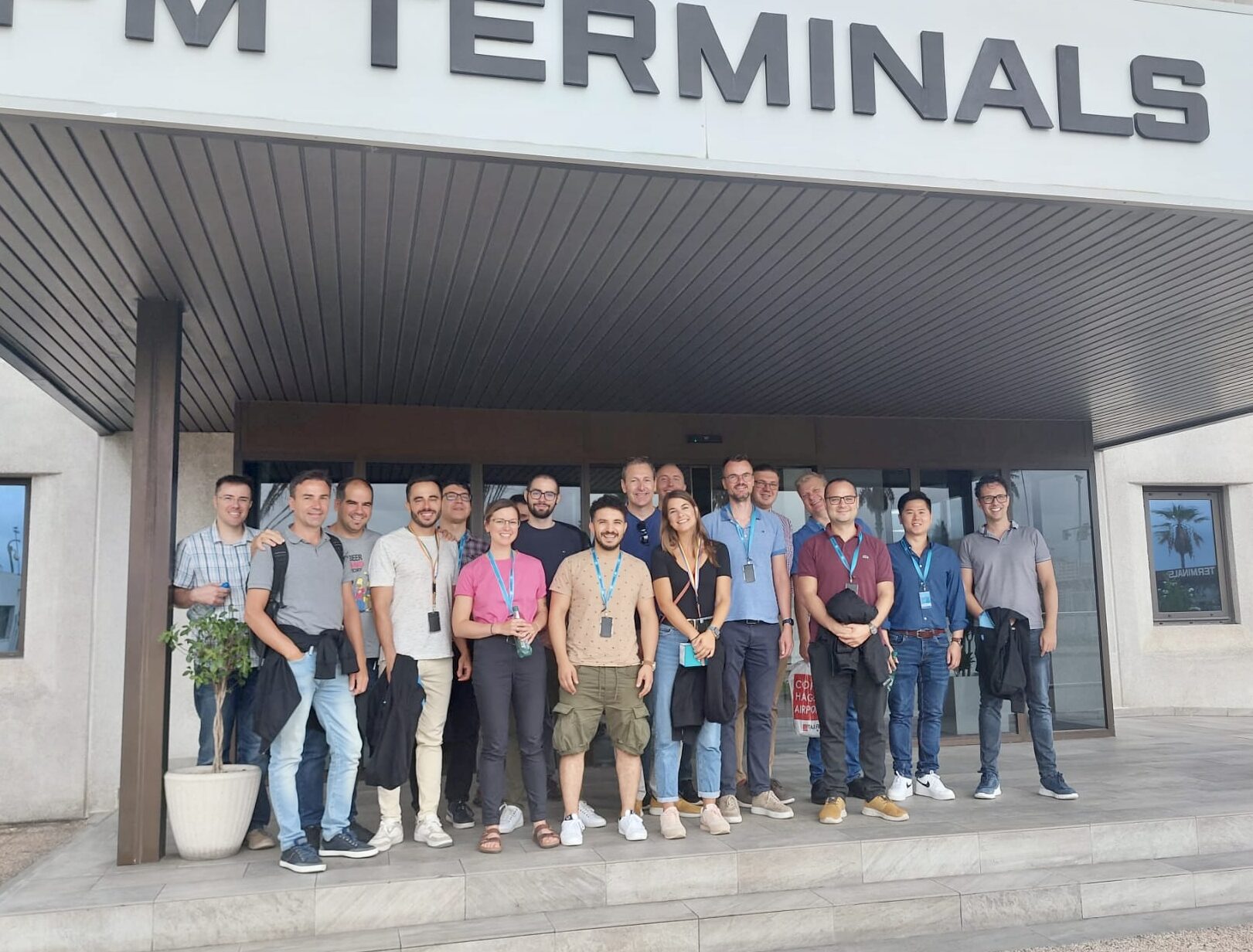
Alignment & Research
Unpacking mental models
Every operator worked differently, drawing on years of experience and tacit industry knowledge.
Contextual observations and time with users were key to understanding the current state of their work. From this foundation, I mapped the future-state workflow around operators’ mental models to clarify key decision points, priorities and automation boundaries.


Building trust in automation
A core part of the work was defining potential automation-failure modes (total, partial, user-induced and technical) and clarifying the user’s recourse and required messaging for each. Combined with low-fidelity prototyping, this laid the foundations for the user experience and for how failures and critical events should be visualised and communicated.
Testing & iteration
User Testing
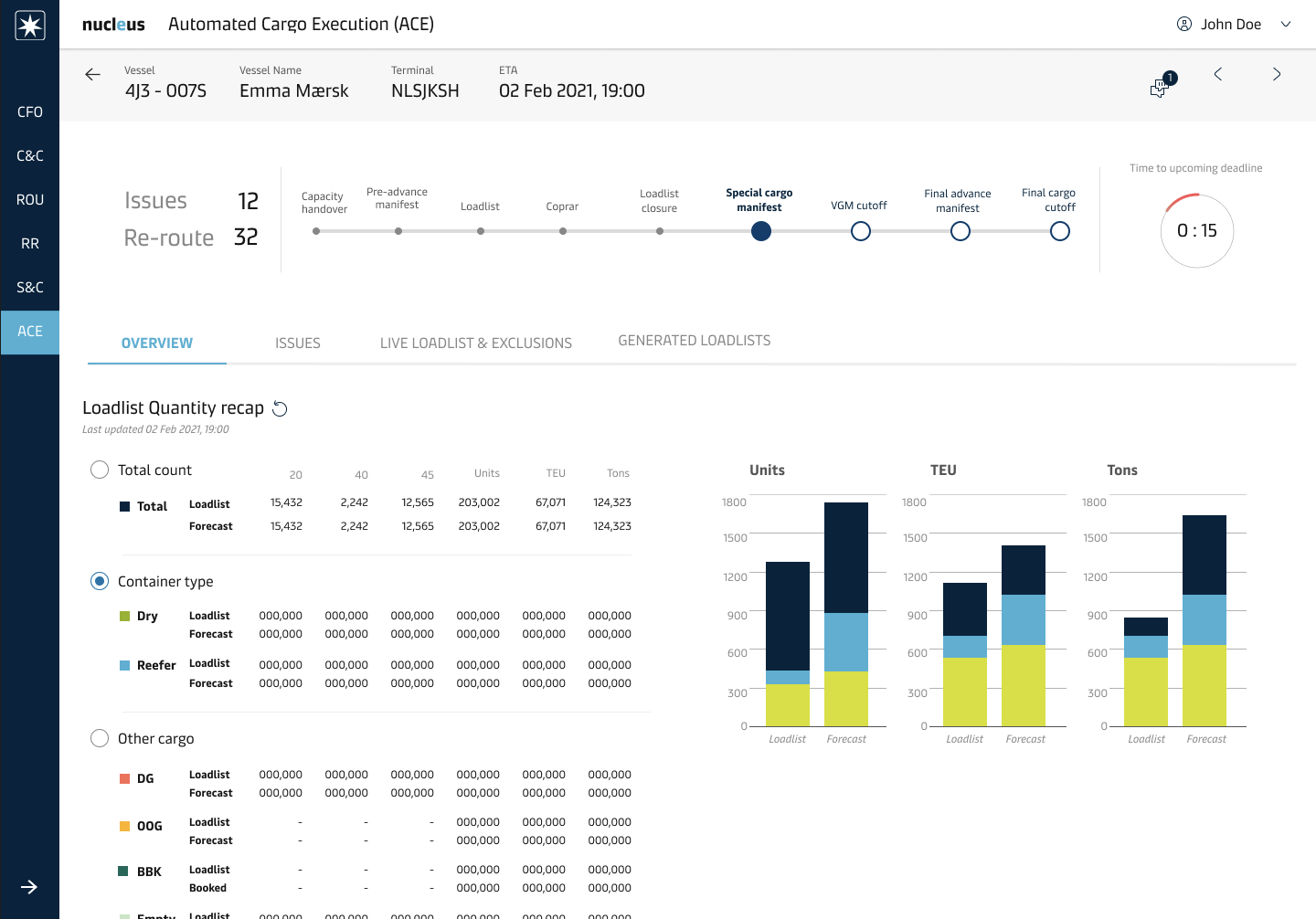
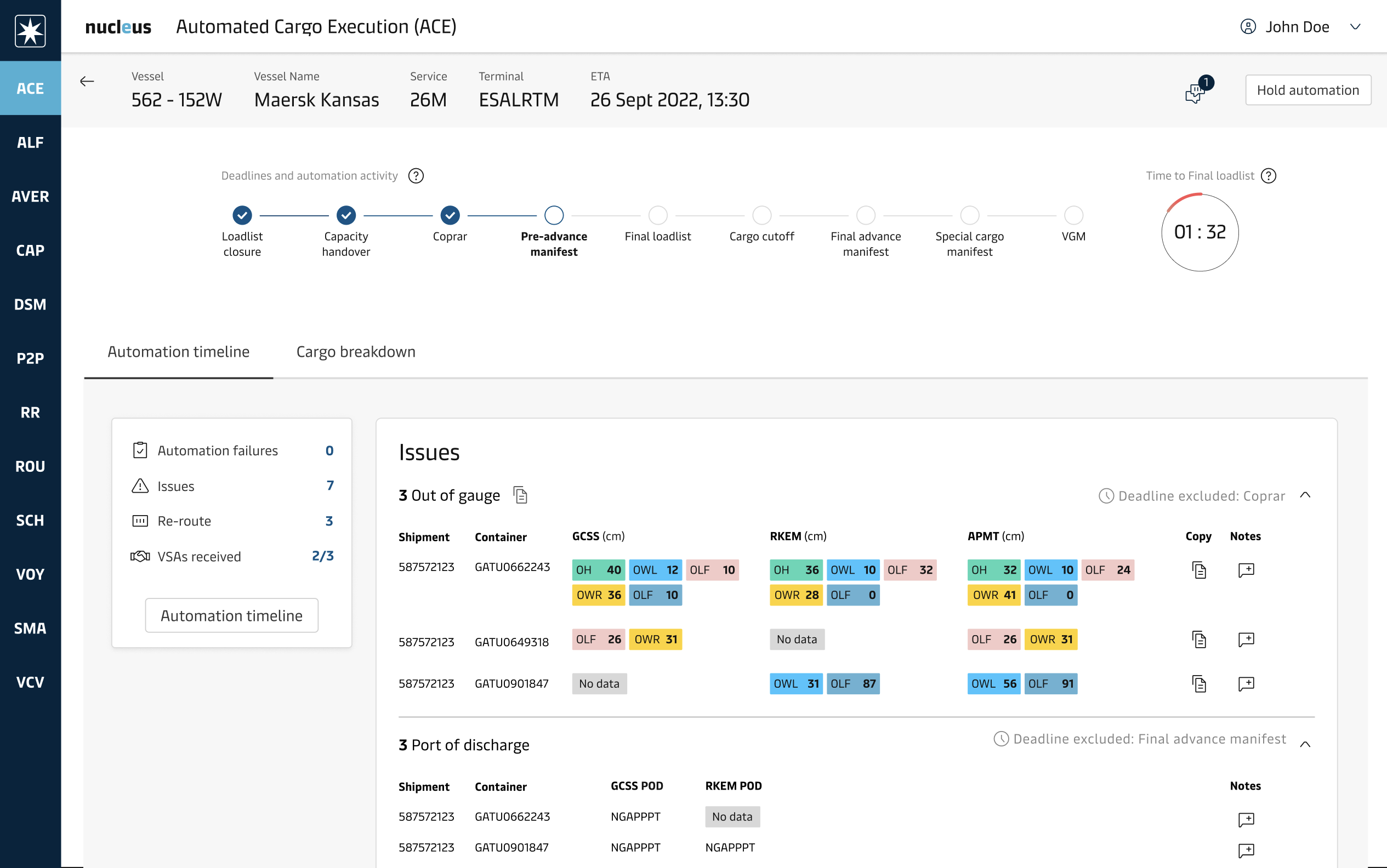
I ran user tests on prototypes exploring new ways of grouping tasks, surfacing alerts and sequencing decisions. These sessions revealed how operators respond to automation, what information supports their judgement at each stage and how recommendations and notifications should be delivered to maintain trust and clarity.
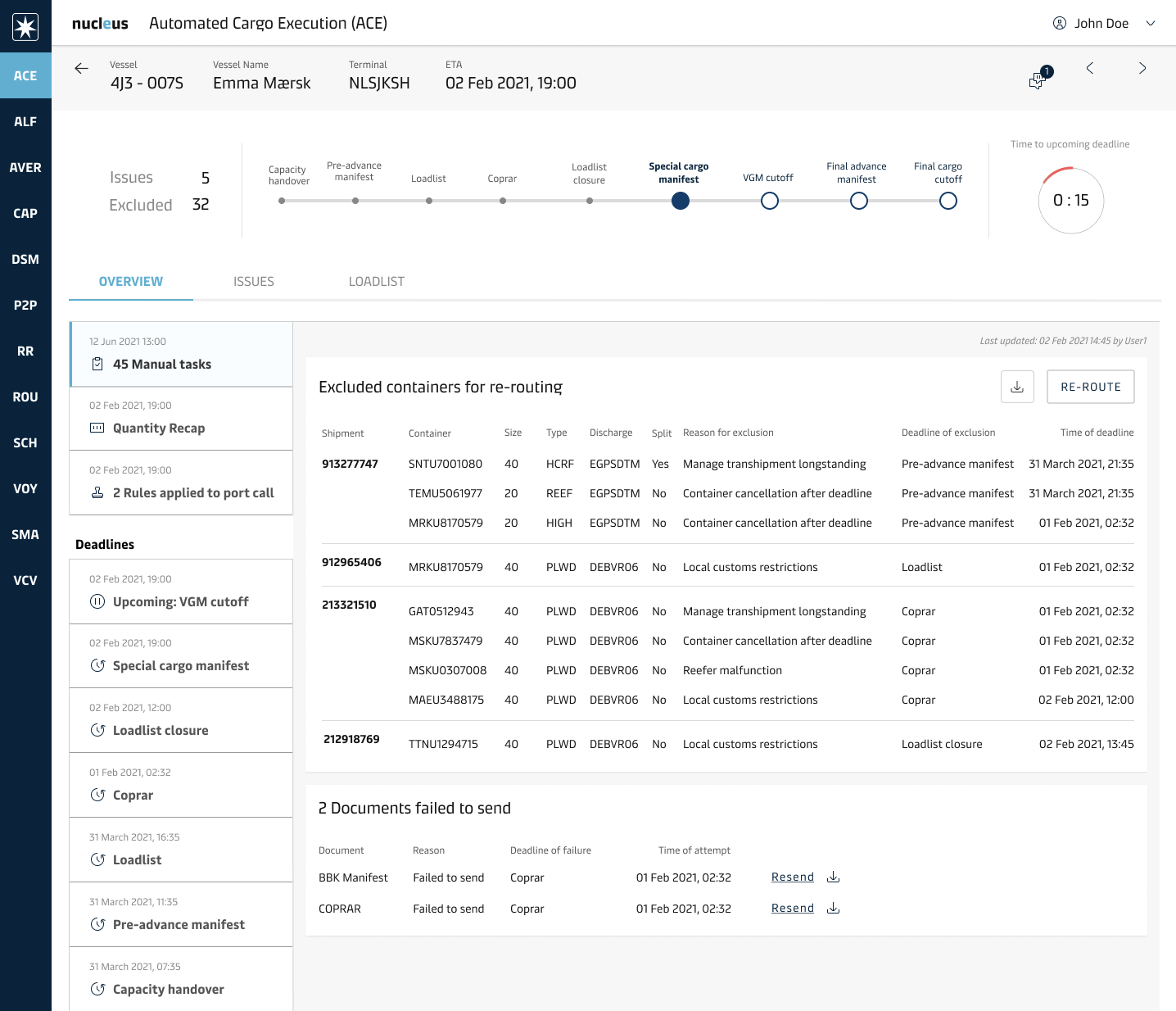
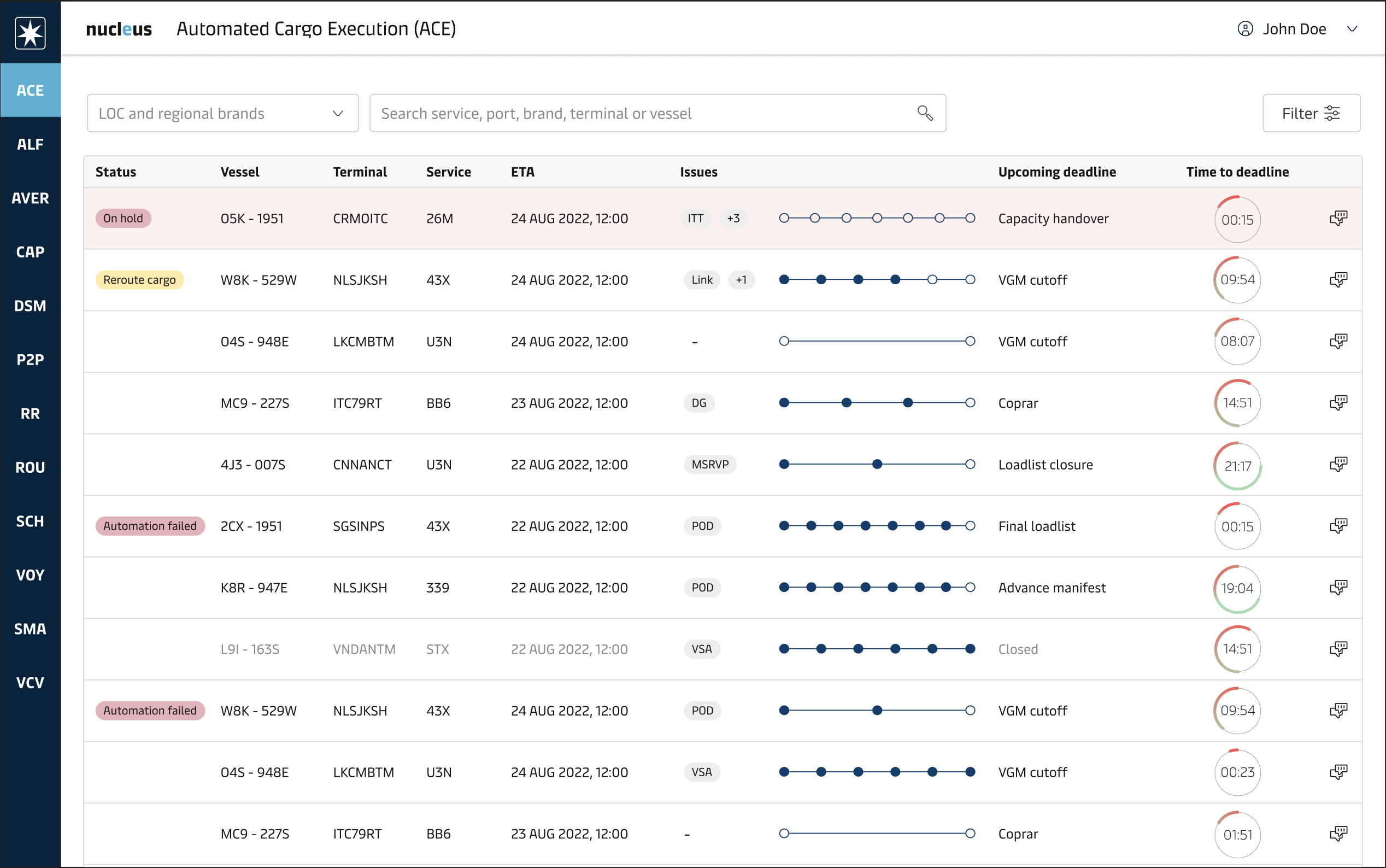
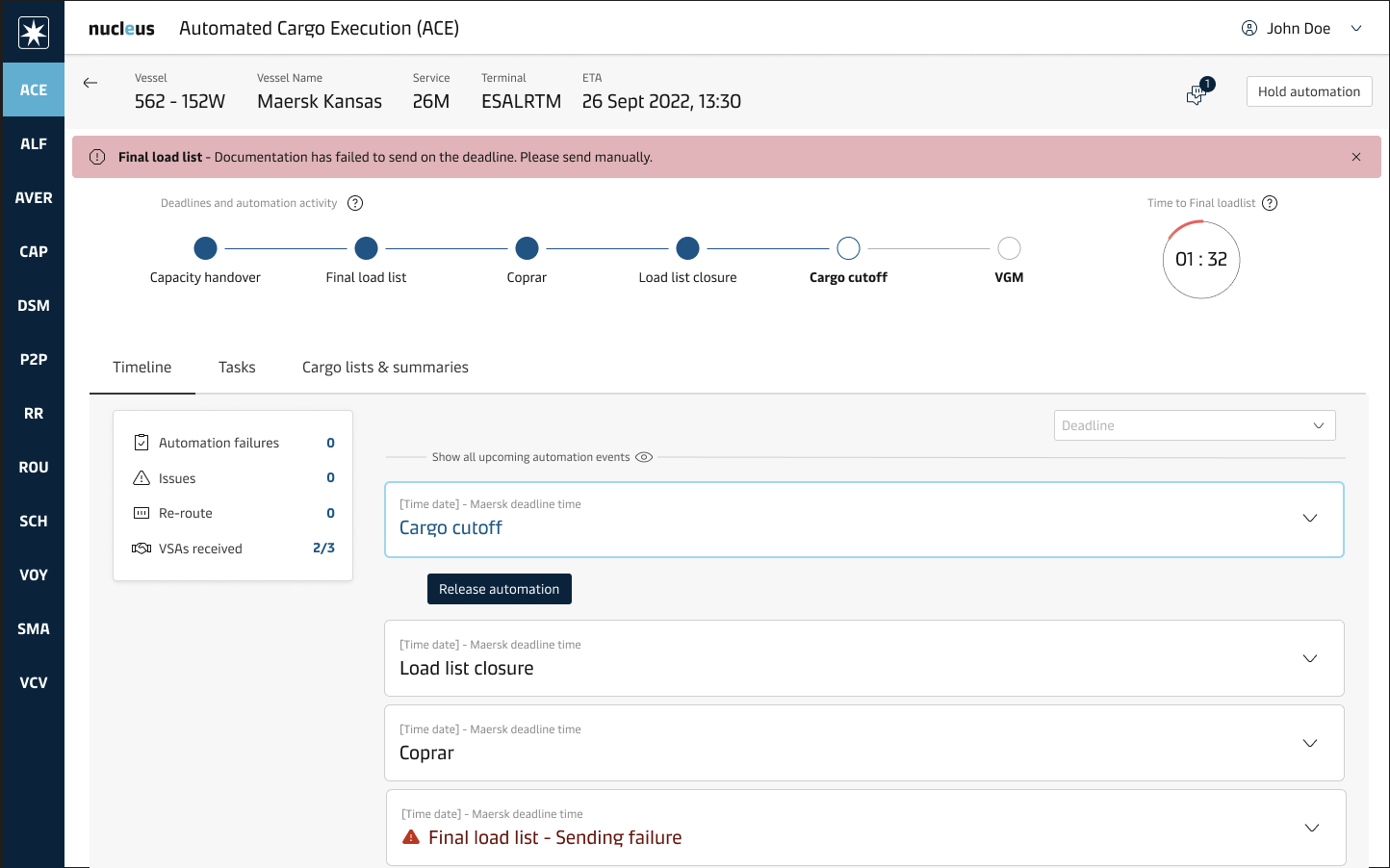
Click to enlarge
Hypothesis Validation & Reporting
As automation efforts expanded across the organisation, it became important to share learnings beyond the immediate team. I consolidated insights and reported whether our discovery-stage hypotheses proved accurate or not, along with emerging principles around workflow design, trust signals and automation boundaries. These findings supported other automation initiatives and helped establish consistent decision frameworks across Maersk.

